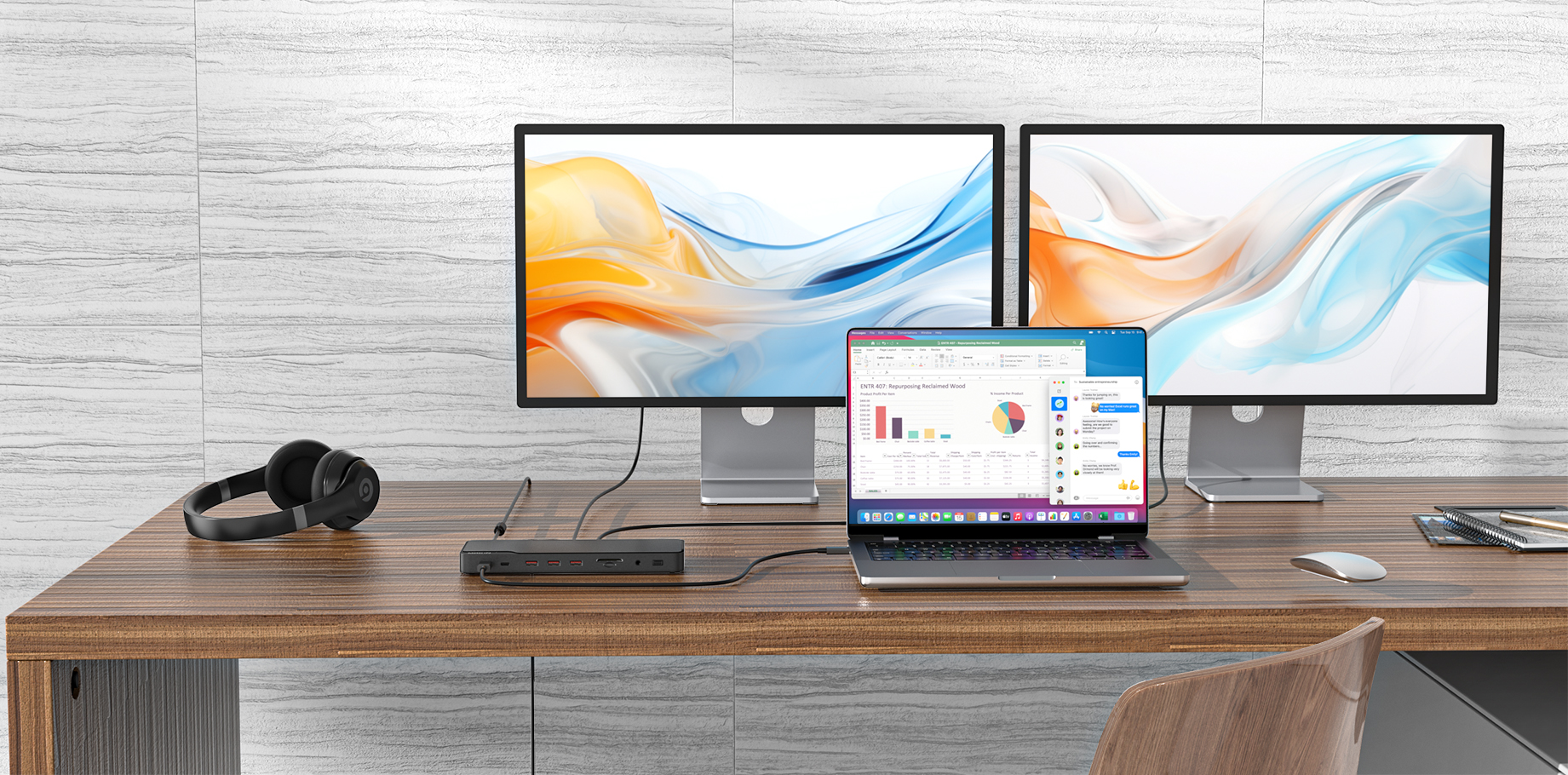
I’ve found that the impact of second screen apps on viewer engagement is often magnified when they’re part of a well-designed platform, which is why the best custom software for media companies plays a critical role here. These apps leverage real-time interactivity to keep users actively involved during broadcasts by offering features such as live chats, social polls, and behind-the-scenes content. Integration with the main streaming service is crucial, allowing viewers to easily switch between devices without losing the connection or context of the program. Many companies find that these engagement tools increase viewing times and create a sense of community among users. For broadcasters, the analytics gathered through second screen apps can also guide future content decisions and promotional strategies. The success of these apps also depends on making the user interface intuitive, so audiences focus on the content and interactive features without frustration. When done correctly, second screen apps don’t just complement the main content—they transform it into a multi-dimensional experience that greatly boosts audience participation.
One challenge with second screen apps is understanding exactly how they boost viewer engagement without distracting from the main content. I’ve noticed when watching certain live events or TV shows, these apps offer extra features like real-time polls or additional info, but I’m not sure how effective they really are at keeping viewers hooked. Has anyone here experimented with second screen technology or used apps like these regularly? Do they actually encourage more interaction, or do people just open them and never come back? I’m also curious about how these apps integrate with social media or streaming platforms for a seamless experience. For smaller content creators or broadcasters, is investing in a second screen app worth the effort to grow their audience?
Second screen applications create a unique dynamic by combining traditional video viewing with interactive elements that appeal directly to user engagement. Their effectiveness seems to hinge on the balance between enriching content and usability, ensuring that users feel invited to participate without losing focus on the primary screen. Social features and timely extras provide a shared experience, expanding viewer interaction beyond passive observation. It’s fascinating how these apps use technology to weave together live broadcasting, social media, and audience feedback in real time. They also present challenges in design and integration as they must align perfectly with the content’s pacing and delivery. Observing the trend toward multi-screen viewing suggests this approach will only grow more prevalent as media consumption habits evolve. Overall, second screen apps represent a powerful innovation in making video platforms more engaging and interactive.